
Places to Visit in Mauritius
Île aux Aigrettes
A 26-hectare coral island where a lost Mauritian forest — and the species that depended on it — is being put back together.
Location
Off Pointe Jérôme, near Mahébourg
Time Needed
Around 2 – 3 hours including the boat
Access
Guided tours only, booked through the MWF
Boat Crossing
Roughly 10 minutes each way
Managed By
Mauritian Wildlife Foundation
Best For
Wildlife, conservation, native forest
Overview
Discover Île aux Aigrettes
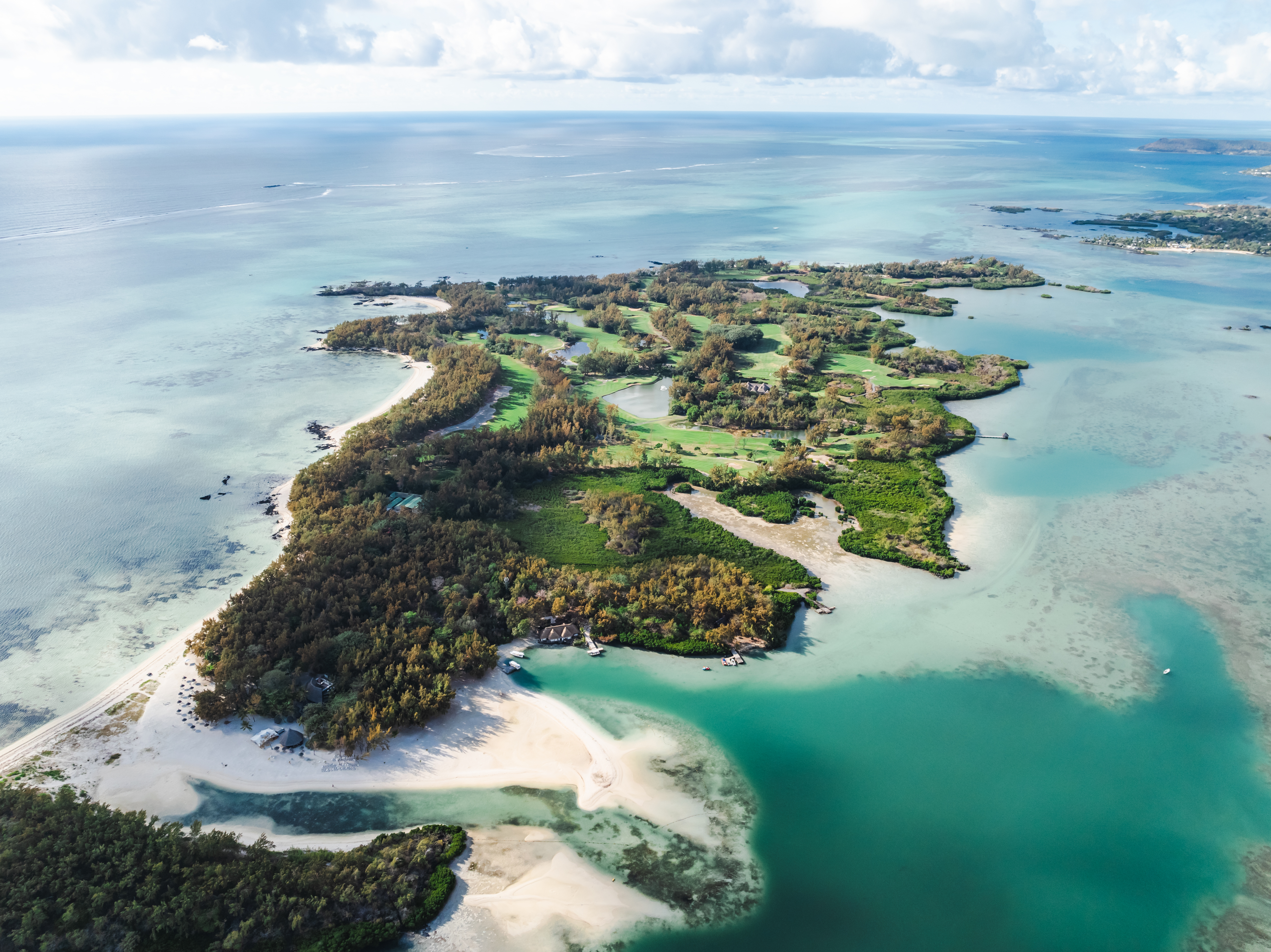
Île aux Aigrettes is a low, flat island of coralline limestone about 26 hectares in size, lying a short distance off the south-east coast near Mahébourg. It became a nature reserve in 1965, and for the past several decades it has been leased and managed by the Mauritian Wildlife Foundation.
Its significance is easy to state and hard to overstate: it holds the last meaningful remnant of Mauritius' dry coastal forest, a habitat that once fringed most of the island and has almost entirely disappeared. Restoring it has meant removing invasive plants and animals across the whole island and replanting native species by hand, year after year.
The animals came back with the forest. Pink pigeons — a species reduced to single figures in the wild by the early 1990s — were reintroduced here, along with the Mauritius olive white-eye and Telfair's skink. Aldabra giant tortoises were brought in from Seychelles in 2000 to take over the ecological job of the island's own extinct tortoises: eating fallen fruit and spreading the seeds of the native ebony.
It is, in short, one of the clearest places anywhere to see what conservation actually looks like when it works.

A vanished forest
put back piece by piece
Why Visit
Why Visit Île aux Aigrettes?

Species Back From the Brink
The pink pigeon fell to a handful of birds in the wild. Seeing one here is seeing the direct result of decades of work.

The Last Coastal Forest
Mauritius' dry lowland ebony forest has almost vanished. This island holds the best surviving example of it.

Giant Tortoises with a Job
Aldabra tortoises were introduced as ecological stand-ins for Mauritius' extinct species, dispersing native ebony seeds as they feed.

Guided by People Who Know It
Every visit is led by a guide from the conservation organisation that runs the island — the explanation is the point, not an add-on.
Wildlife
Species You May Encounter
This is a working conservation reserve. Do not touch, feed or chase any animal, and stay on the marked trail — every rule here exists to protect species with very little margin left.
Pink Pigeon
Down to around nine known wild birds in 1991. A population was established on the island in the 1990s, and it is now one of conservation's best-known recoveries.
Endemic — RecoveredAldabra Giant Tortoise
Introduced from Seychelles in 2000 to replace Mauritius' extinct giant tortoises, restoring the seed dispersal the native ebony depends on.
Ecological Replacement
Telfair's Skink
A large native lizard, once widespread across Mauritius, reintroduced to the island in 2006 as part of the habitat restoration.
Reintroduced
Mauritius Olive White-Eye
A tiny endemic songbird and one of the rarest birds in Mauritius, reintroduced here alongside the skinks.
Critically EndangeredNative Ebony Forest
The endemic ebony Diospyros egrettarum, whose recovery is closely tied to the tortoises that now spread its seed.
HabitatVisiting Île aux Aigrettes
Île aux Aigrettes can only be visited on a guided tour organised by the Mauritian Wildlife Foundation. There is no independent access, no landing by private boat and no unaccompanied walking — the restrictions exist to protect the reserve, and they are firmly enforced.
The standard guided eco-tour lasts roughly one and a half to two hours on the island, plus a boat crossing of about ten minutes each way from the departure point near Mahébourg. Longer and specialist options, such as photography or birdwatching visits, are offered from time to time.
Tour prices, departure times and available languages are set by the Mauritian Wildlife Foundation and change periodically. Booking ahead is strongly recommended, as places on each departure are limited.
MauTravel provides private transport to and from the departure point. The island tour itself is run by the Mauritian Wildlife Foundation and is booked and paid for separately with them.
Current information may change — confirm tour times, prices and availability directly with the Mauritian Wildlife Foundation before your visit.
Opens the official park website (mauritian-wildlife.org) in a new tab
Travel Tips
Before You Go
- Book ahead — visits are by guided tour only and places on each departure are limited
- Never touch, feed or chase any animal, including the giant tortoises
- Stay on the marked trail throughout the visit and follow your guide's instructions
- Do not bring seeds, fruit, soil or plants onto the island — biosecurity protects the whole reserve
- Wear closed walking shoes; the coral limestone underfoot is uneven and sharp in places
- Bring sun protection, a hat and water — much of the trail is exposed
- Insect repellent is worth having, particularly in the warmer months
- Take absolutely everything away with you, including any food packaging
- Allow around two to three hours in total, including the boat crossing each way
- Current information may change — verify tour details directly before visiting
Conservation
A Forest Rebuilt by Hand
Before restoration began, Île aux Aigrettes had been logged for its ebony, cleared in parts, and overrun by introduced plants and animals. Very little of the original coastal forest survived.
The recovery has been slow and physical: removing invasive species across the entire island, replanting native trees by hand over many years, and only then reintroducing the animals that depend on them. Giant tortoises were part of that ecological reasoning rather than a visitor attraction — they do the seed-dispersal work that Mauritius' own extinct tortoises once did.
The results are visible on the trail. Ebony regenerating on its own, pink pigeons breeding in the wild, skinks moving through the leaf litter. It is a small island, but it is one of the strongest arguments anywhere that extinction is not always inevitable.
Getting There
Need Transport to Île aux Aigrettes?
Enjoy the journey at your own pace with private transportation arranged by MauTravel. Hotel pickup and drop-off can be arranged from locations around Mauritius.
Continue Exploring
Explore East Mauritius
The reserve sits in the same bay as Mahébourg, Blue Bay and the island's south-east coast.



FAQ
Frequently Asked Questions
No. The island is a nature reserve and can only be visited on a guided tour organised by the Mauritian Wildlife Foundation. Private landings and unaccompanied walking are not permitted, which is a large part of why the restoration has succeeded.
Tour prices are set by the Mauritian Wildlife Foundation and change from time to time, with different rates for the standard eco-tour and for longer specialist visits. Please check current prices directly with the Foundation when booking.
The standard guided walk lasts roughly one and a half to two hours on the island, with a boat crossing of about ten minutes in each direction. Allow two to three hours in total.
Sightings are likely but never guaranteed — these are wild birds on a wild island. Your guide will know where they are most often seen and what to listen for.
No. Touching, feeding and chasing animals are not permitted anywhere on the reserve. Observe from the distance your guide indicates and follow their instructions throughout.
The trail is gentle and mostly flat, which suits a wide range of visitors, but the ground is uneven coral limestone and much of the route is exposed to the sun. Closed shoes, a hat and water are essential.
No. MauTravel provides private transport to and from the departure point near Mahébourg and can build the visit into your day. The island tour itself is operated by the Mauritian Wildlife Foundation and is booked and paid for separately with them.
Ready When You Are
Visit Mauritius as It Once Was
We'll get you to the jetty and plan the rest of your south-east day around your tour time — Blue Bay, Mahébourg and the coast are all close by.